
On Saturday January 18, 2020, I made a trip to the Talladega CMP Marksmanship Park and shot the monthly USPSA match with the Talladega Practical Shooters. This match was a little different for me, in a few ways, so I thought I would share my thoughts.
My Performance
My overall performance was not bad, considering I hadn’t been able to compete since the September GSSF match, and not in USPSA since last July. In fact, on the classifier stage, I shot well enough that I am on the cusp of moving up a level from D to C. More to come on that.
In the video I loaded, I am shooting Stage 3, called Five by Three. As with most of the stages, it was a good combination of movement, long and short shots, paper and steel. All the stages were a good combination of steel and paper, with no movers, which was nice, given the weather. There was a lot of movement involved, too, which tells me what I need to do to improve my scores.
Now, one thing I have been doing recently is keeping track of my hits in real time, as best I can. Not keeping score, mind, you, but Good or Bad (D or miss). So, you will notice I take a third shot at the last target. This is because I saw I had shot A and D, and my third shot was another A, which very well made up for the extra time it took. Note, my rule of thumb is I only take a third shot if the chance of making an A is very high, or if I have a miss.
Some may notice that I now have fewer magazine changes, and this is because in 2019 I changed from Production to Limited, although admittedly in minor power factor. The main difference for me was the change from a limit of 10 rounds in the magazine, to as many as mine can hold within the 140 cm total height. My magazines can best hold 18 rounds, so now for most stages this means only one mag change, which really changes how I manage my stages. I will post more on this soon.
Shooting in the Rain
This was my first match to shoot in a real rain shower. I had shot in misty conditions, or a day or so after rain, so being a little wet was not a problem. But shooting while being rained on is different, and I will say that my preparations for it was sufficient to make the weather not a very big deal. My preparations included:
- Rainproof footwear
- Rainproof coat
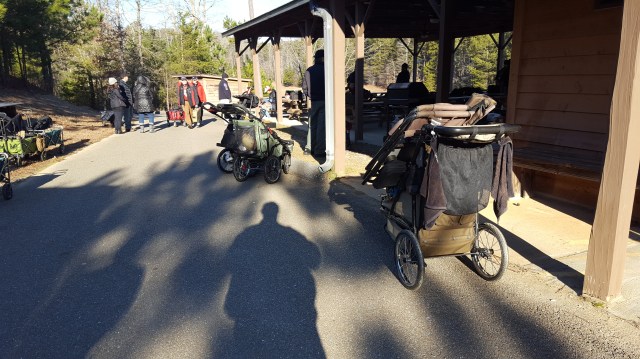
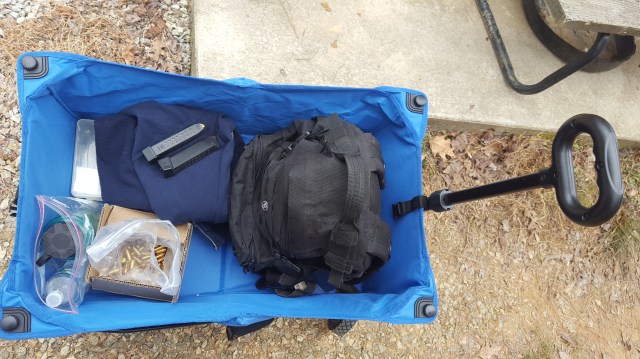
- Cover for my gear
Look for a post on this soon.
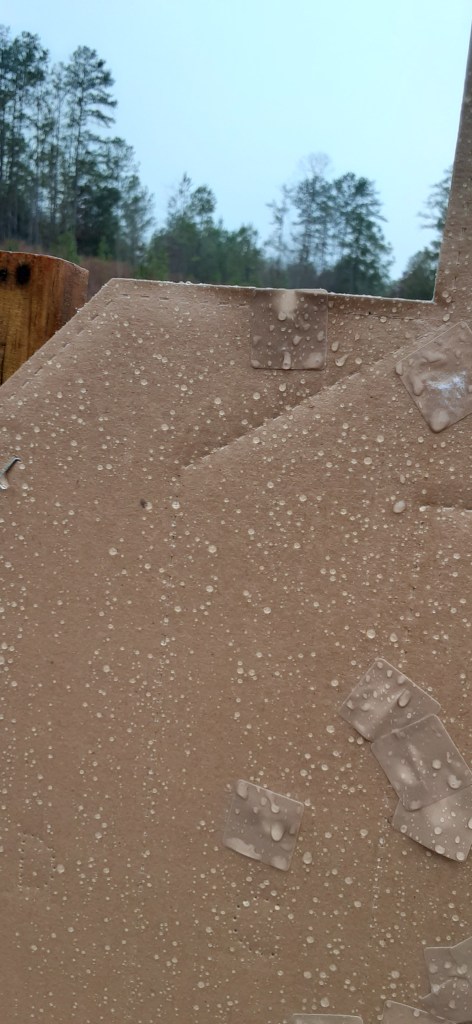
It was also interesting that we were trying some new waterproof targets and waterproof pasters. All the matches I have shot in wet weather have been on targets covered by plastic covers, but these seemed to do well. After about 5 hours in the rain, some of the A head zones were starting to show wear, but that could have been managed with some tape on the top of the targets, I think.

Talladega
I have shot GSSF at Talladega a couple of times, and my feel for the park is that it may be one of the best I have ever shot at. The park facilities and management were exemplary, and I cannot recommend them more.
The match was managed well, too. I will admit, there were some differences in the style of management at this match, compared to the ones I have shot in the Atlanta area, and these differences threw me off a little. But suffice it to say, none of them affected the overall enjoyment of the match. I will address them with the Club.
One neat thing was at the clubhouse, there were CMP rifles available to buy. I need to save up, as the Dauphin has mentioned how much he wants an M1 Garand.





 Fill Yer Hands